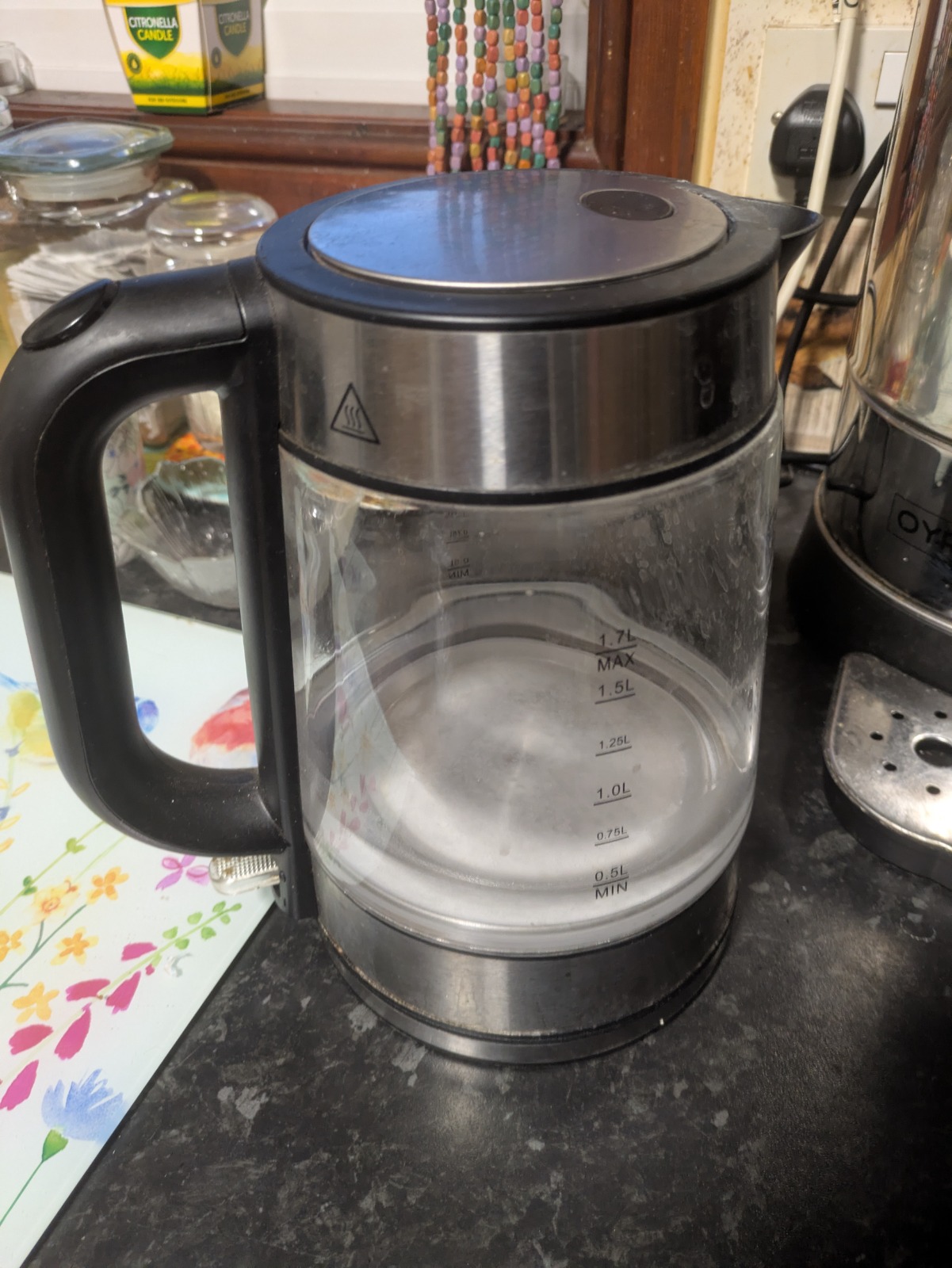
A repeat customer in Gaskell Close, Holybourne, lost power when a faulty kettle tripped the main RCD. See how WES traced the electrical fault.
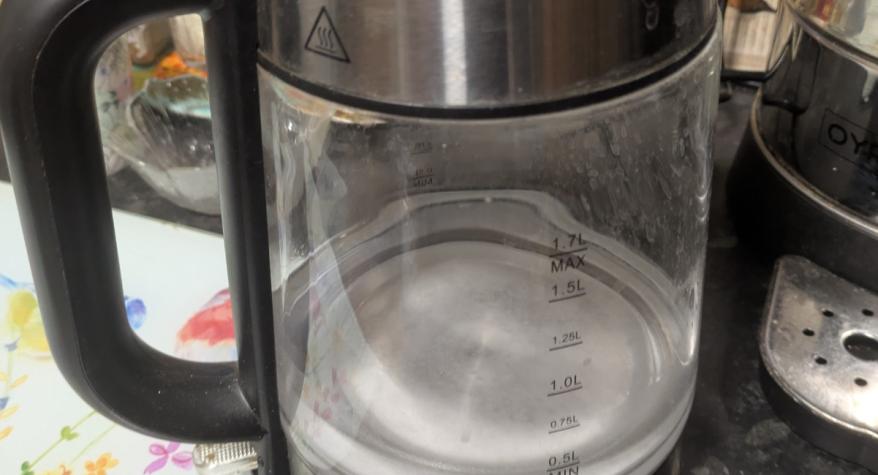
Electrical Fault Finding Holybourne - Tripping RCD - Wessex Electrical Service
Why Was a Kettle Tripping the Main RCD in This Holybourne Home?
A faulty appliance can cause far more disruption than you might expect.
We recently returned to the home of a repeat customer in Gaskell Close, Holybourne, after they experienced a complete loss of power.
The customer’s kettle was tripping the main RCD switch. Each time the RCD operated, it isolated the electricity supply to the whole property.
Our fault-finding confirmed that the kettle was causing the problem. Once the appliance had been identified and removed from use, the RCD could remain switched on and power was restored.
This visit showed why a complete loss of power does not always mean there is a major fault with the electrical installation. One faulty appliance can affect the entire property when it is connected to a main RCD-protected supply.
What was happening at the property?
The customer was losing power throughout their home because the main RCD switch kept tripping.
When a main RCD protects several circuits, a fault on one appliance or circuit can disconnect everything supplied through it. This can make the problem appear more extensive than it is.
From the customer’s point of view, the whole electrical installation had stopped working. The cause, however, was one kettle connected to a socket circuit.
The customer had used Wessex Electrical Services before, so they contacted us to investigate the fault and establish why the RCD would not remain switched on.
What was causing the main RCD to trip?
Our fault-finding traced the problem to the customer’s kettle.
A kettle contains a high-powered heating element that raises the water temperature quickly. If an electrical fault develops within the appliance, it can cause an RCD to operate.
Possible faults can involve the heating element, internal wiring, insulation, flex or plug. Water and steam may also affect the electrical components inside an appliance.
We did not dismantle the kettle or establish the precise internal component that had failed. The important finding was that connecting or using the kettle caused the main RCD to trip.
The kettle needed to remain out of use.
Can one faulty appliance disconnect power to the whole property?
Yes. At this Holybourne property, the kettle was tripping the main RCD switch and disconnecting power throughout the home.
An RCD monitors the electrical current flowing through the installation. It operates when it detects an imbalance that may indicate current is flowing along an unintended path.
Where one main RCD protects several or all circuits, a fault associated with one appliance can cause a much wider loss of power. Lights, sockets and other equipment may all stop working, even though the original problem comes from one item plugged into a socket.
The extent of the power loss does not necessarily show the size or location of the fault.
Did the main RCD need replacing?
No. The RCD operating did not prove that the device was faulty.
In this case, it was responding to a fault associated with the kettle. Replacing the RCD would not have repaired the appliance or removed the cause of the tripping.
Protective devices sometimes receive the blame because they are the visible part of the problem. The customer sees the switch move to the off position, but the fault may be elsewhere within the property.
The investigation needs to consider:
- Which protective device has operated
- Which circuits have lost power
- What equipment was being used
- Whether the fault happens immediately or intermittently
- Whether unplugging a particular appliance changes the result
At the Gaskell Close property, that process led us to the kettle.
How was the kettle identified as the cause?
Connected appliances formed part of our fault-finding investigation.
An appliance can develop an internal problem without showing any obvious damage on the outside. Its plug and cable may look intact, and it may have worked normally until the fault appeared.
This means a visual check alone cannot confirm that an appliance is electrically sound.
By narrowing down the possible causes, we established that the kettle was responsible for operating the RCD. Removing it from use allowed the main RCD to remain on and the property’s power to be restored.
This gave the customer a clear answer without replacing sockets, wiring or consumer-unit components unnecessarily.
Why do kettles sometimes develop electrical faults?
Kettles work under demanding conditions.
They draw a relatively high current, produce heat and operate close to water and steam. Their components also go through repeated heating and cooling cycles.
Over time, the heating element, connections or insulation may deteriorate. A small amount of moisture reaching the electrical components may also create a problem.
A faulty kettle does not always show visible warning signs. It may look normal but trip an RCD when connected or switched on.
If your kettle starts tripping the electrics, stop using it. Do not keep reconnecting it to see whether the fault happens again.
Why should you avoid repeatedly resetting an RCD?
Repeatedly resetting an RCD does not remove the electrical fault.
If the RCD operates again, something remains wrong. Continually reconnecting a faulty appliance can expose the circuit and appliance to the same fault conditions.
If the cause is not immediately clear, leave the suspected appliance unplugged. If the RCD will not remain on, leave the affected supply isolated and arrange an inspection.
You should seek help if:
- The RCD trips repeatedly
- Power cannot be restored
- You cannot identify the affected appliance or circuit
- Tripping continues after appliances have been unplugged
- There is a burning smell or unusual heat
- A plug, socket or appliance shows signs of damage
- Water may have reached electrical equipment
Do not remove electrical covers or dismantle an appliance to look for the fault.
Does complete power loss mean the wiring has failed?
No. A complete loss of power does not necessarily mean the fixed wiring has failed.
The result depends on how the consumer unit and protective devices are arranged. If a main RCD supplies the whole property, one fault can disconnect all the circuits protected by it.
Possible causes include a fault within:
- A connected appliance
- A socket or electrical accessory
- Fixed wiring
- Outdoor electrical equipment
- A lighting circuit
- Equipment affected by water or moisture
Proper fault-finding separates those possibilities and identifies where the problem originates.
At this property, the fixed electrical installation did not need unnecessary parts replaced. The kettle was identified as the source of the tripping.
What should you check before calling an electrician?
Make a note of what happened immediately before the power went off.
Useful information includes:
- Which appliances were operating
- Whether the fault appeared when an appliance was switched on
- Which rooms or circuits lost power
- Which protective device operated
- Whether the device stayed on after appliances were unplugged
- Whether the fault had happened before
A photograph of the consumer unit may also help the electrician understand the protective arrangement before attending.
If you can safely unplug appliances from the affected circuit, doing so may help narrow down the problem. Do not remove covers, touch damaged equipment or keep resetting the RCD when you cannot identify the cause.
An appliance being used at the time provides a useful lead, but it does not prove the cause. The fault still needs to be established.
What did our fault-finding visit achieve?
The visit established that the customer’s kettle was causing the main RCD to trip and disconnect the electricity supply to the whole property.
Once the kettle had been identified and removed from use, the RCD could remain switched on and power was restored.
Our repeat customer received a clear explanation of the problem and avoided unnecessary work to the fixed electrical installation.
That is the purpose of structured electrical fault-finding. The investigation identifies the cause so the response can be based on evidence.
Electrical fault finding in Holybourne
Wessex Electrical Services provides electrical fault-finding for homeowners and businesses in Holybourne, Alton and the surrounding Hampshire area.
We investigate problems including:
- RCDs and RCBOs that keep tripping
- Complete or partial power loss
- Socket circuits that have stopped working
- Lighting faults
- Faulty electrical accessories
- Problems caused by connected equipment
- Intermittent electrical faults
If your electrics keep tripping, make a note of what was running and which protective device operated. Stop using any appliance you suspect may be faulty.
FAQs: Electrical Fault Finding in Holybourne
Can a kettle trip the main RCD?
Yes. An electrical fault associated with a kettle can cause a main RCD to operate. Where that RCD protects the complete installation, it may disconnect power throughout the property.
Why does my kettle trip the electrics?
A fault could involve the heating element, internal wiring, insulation, flex or plug. The precise cause needs to be established through suitable inspection and testing.
Does an RCD tripping mean it is faulty?
No. An RCD may be operating correctly in response to a fault elsewhere within the installation or connected equipment. The cause should be investigated before replacing the protective device.
Should I keep resetting the RCD?
No. If the RCD keeps operating, stop using the suspected appliance and arrange an inspection. Repeatedly resetting the device does not repair the fault.
Why does one appliance cause the whole house to lose power?
This can happen when one main RCD protects multiple circuits or the complete installation. A fault involving one appliance may cause the RCD to disconnect every circuit supplied through it.
Can an electrician determine whether an appliance is causing the problem?
Yes. Electrical fault-finding can help distinguish between a problem with connected equipment and a fault within the fixed electrical installation.
Does Wessex Electrical Services cover Holybourne?
Yes. Wessex Electrical Services carries out electrical fault-finding in Holybourne, Alton and the surrounding Hampshire area.
Call Wessex Electrical Services Ltd on 01420 384247 to arrange a fault-finding visit.