Table of Contents
- Part P of the Building Regulations – What Homeowners Need to Know
- What is Part P?
- What Work is Covered by Part P?
- Notifiable vs Non-Notifiable Electrical Work
- What is a Part P Registered Electrician?
- Certification You Should Receive
- Why Part P Matters for Homeowners
- Choosing the Right Electrician
- Electrical Work Across Hampshire
- Need Advice About Electrical Work?
1) Part P of the Building Regulations – What Homeowners Need to Know
Electrical work in homes across England is governed by Part P of the Building Regulations, a piece of legislation designed to ensure electrical installations are safe and carried out by competent people.
If you are having electrical work carried out in your home in Alton, Basingstoke, Fleet, Winchester or anywhere across Hampshire, understanding Part P helps you make sure the work is safe, legal, and properly certified.
Back to top2) What is Part P?
Part P is a section of the Building Regulations for England that specifically covers electrical safety in domestic properties.
Introduced in 2005, its purpose is simple:
⚡ To ensure electrical work in homes is designed and installed safely to prevent electric shock, fire, and injury.
It applies to electrical installations in:
- Houses
- Flats
- Residential outbuildings
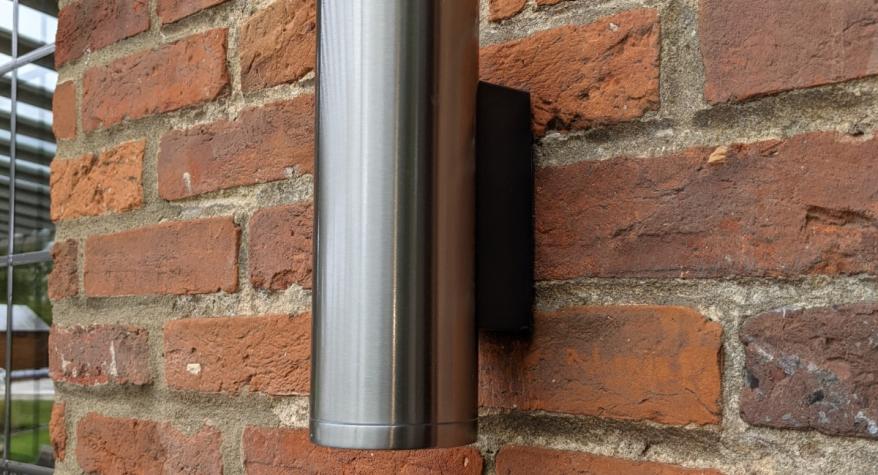
- Gardens and outdoor installations
All electrical work must be installed so that it provides reasonable protection from fire and electric shock.
Back to top3) What Work is Covered by Part P?
Part P applies to most electrical work carried out in domestic properties, including:
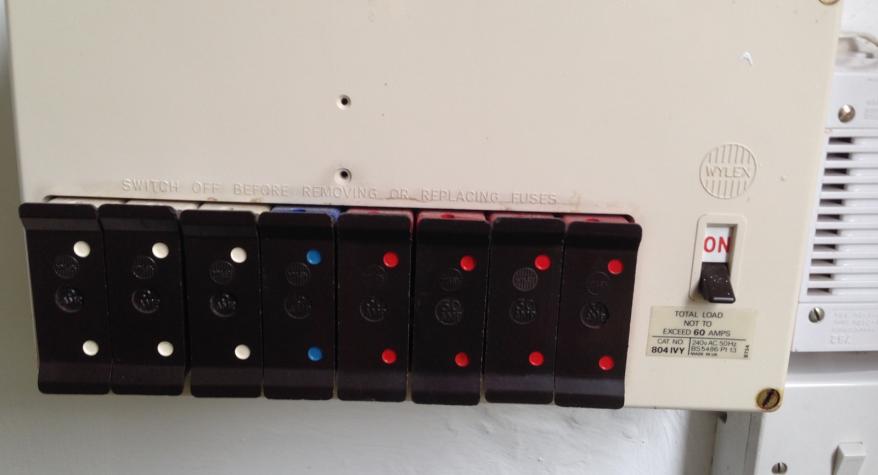
- Consumer unit (fuse board) replacements
- New circuits
- Full or partial house rewires
- Electrical work in kitchens or bathrooms
- Outdoor wiring (gardens, sheds, hot tubs etc.)
- Lighting circuits and socket circuits
- Underfloor heating installations
Even relatively small works must still comply with electrical safety standards.
All work must follow the requirements of BS 7671 – The IET Wiring Regulations.
Back to top4) Notifiable vs Non-Notifiable Electrical Work
Under Part P, some electrical work must be notified to Building Control.
4.0.1) Notifiable Work
The following work must legally be registered with Building Control:
- Installing a new circuit
- Replacing a consumer unit
- Electrical installation in special locations such as bathrooms or swimming pools
- Full house rewires
This work must either be:
- Carried out by a registered competent electrician, or
- Approved and inspected by local authority Building Control
4.0.2) Non-Notifiable Work
Some smaller jobs do not require notification but must still be installed safely.
Examples include:
- Replacing sockets or switches
- Replacing light fittings
- Adding sockets to an existing circuit
- Minor repairs
Although not notifiable, these jobs must still comply with BS7671 electrical standards.
Back to top5) What is a Part P Registered Electrician?
A Part P registered electrician belongs to a Competent Person Scheme, allowing them to self-certify electrical work.
This means they can:
✔ Install electrical work
✔ Test and certify it
✔ Notify Building Control on your behalf
Without needing you to deal with the local council.
Back to top6) Certification You Should Receive
When electrical work is completed in your home, you should receive the appropriate certification.
Depending on the work carried out, this may include:
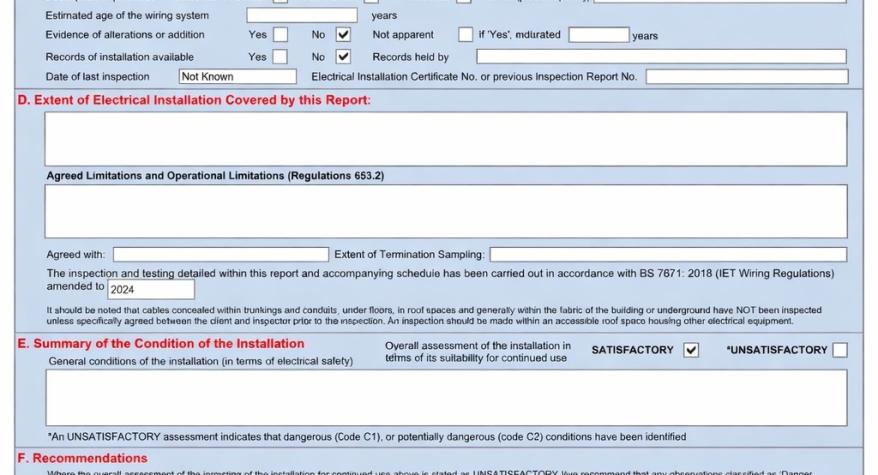
6.0.1) Electrical Installation Certificate (EIC)
Issued for:
- New circuits
- Consumer unit replacements
- Rewires
This confirms the installation has been designed, installed and tested correctly.
6.0.2) Minor Electrical Installation Works Certificate
Issued for smaller jobs such as:
- Adding sockets
- Replacing accessories
- Minor circuit alterations
6.0.3) Building Regulations Compliance Certificate
For notifiable work, you should also receive a Building Regulations Compliance Certificate confirming the work has been registered with Building Control.
This document is often required when selling your property.
Back to top7) Why Part P Matters for Homeowners
Electrical faults are one of the leading causes of house fires in the UK.
Part P exists to ensure electrical work is:
✔ Installed safely
✔ Properly tested
✔ Legally compliant
✔ Fully documented
Using a registered electrician protects both your home and your insurance.
Uncertified electrical work can cause serious problems later when:
- Selling your property
- Making insurance claims
- Carrying out further electrical work
8) Choosing the Right Electrician
When selecting an electrician for work in your home, always check they are registered with a Competent Person Scheme.
A registered electrician will:
- Work to BS7671 Wiring Regulations
- Provide correct certification
- Notify Building Control if required
- Be regularly assessed for competence
This ensures your installation meets both electrical safety standards and Building Regulations requirements.
Back to top9) Electrical Work Across Hampshire
At Wessex Electrical Services Ltd, we carry out electrical work across:
- Alton
- Basingstoke
- Fleet
- Winchester
- Hartley Wintney
- Surrounding Hampshire villages
All work is completed to BS7671 standards and fully certified for your peace of mind.
Whether you need a consumer unit upgrade, electrical inspection, or small electrical job, we ensure everything is installed safely and in line with Part P of the Building Regulations.
Back to top10) Need Advice About Electrical Work?
If you are planning electrical work in your home and want to make sure it complies with Part P Building Regulations, we are happy to help.
Back to top