Many homes across Hampshire still rely on older fuse boards that were never designed to cope with modern electrical demands. While everything may appear to be working fine, outdated consumer units can quietly increase the risk of electric shock, electrical fires, and repeated faults.
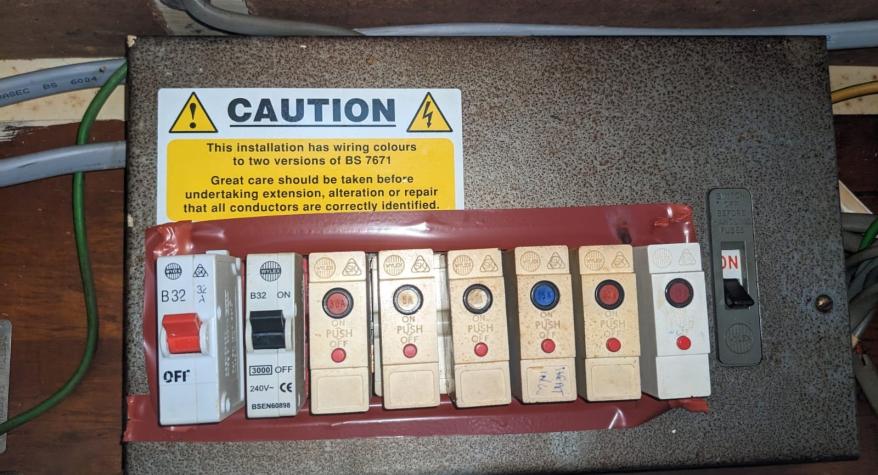
When Should You Upgrade Your Consumer Unit (Fuse Board)?
So how do you know when it’s time to upgrade your consumer unit — and why does it matter?
What Is a Consumer Unit?
A consumer unit (often still called a fuse board) is the heart of your home’s electrical system. It distributes electricity safely around the property and provides vital protection against:
- Overloads
- Short circuits
- Electric shock
Modern consumer units use MCBs, RCDs, or RCBOs to quickly disconnect the power if a fault occurs — helping to prevent injury and fire.
Older fuse boards simply don’t offer the same level of protection.
Signs Your Consumer Unit May Need Upgrading
You don’t always need to wait for a failure. Common warning signs include:
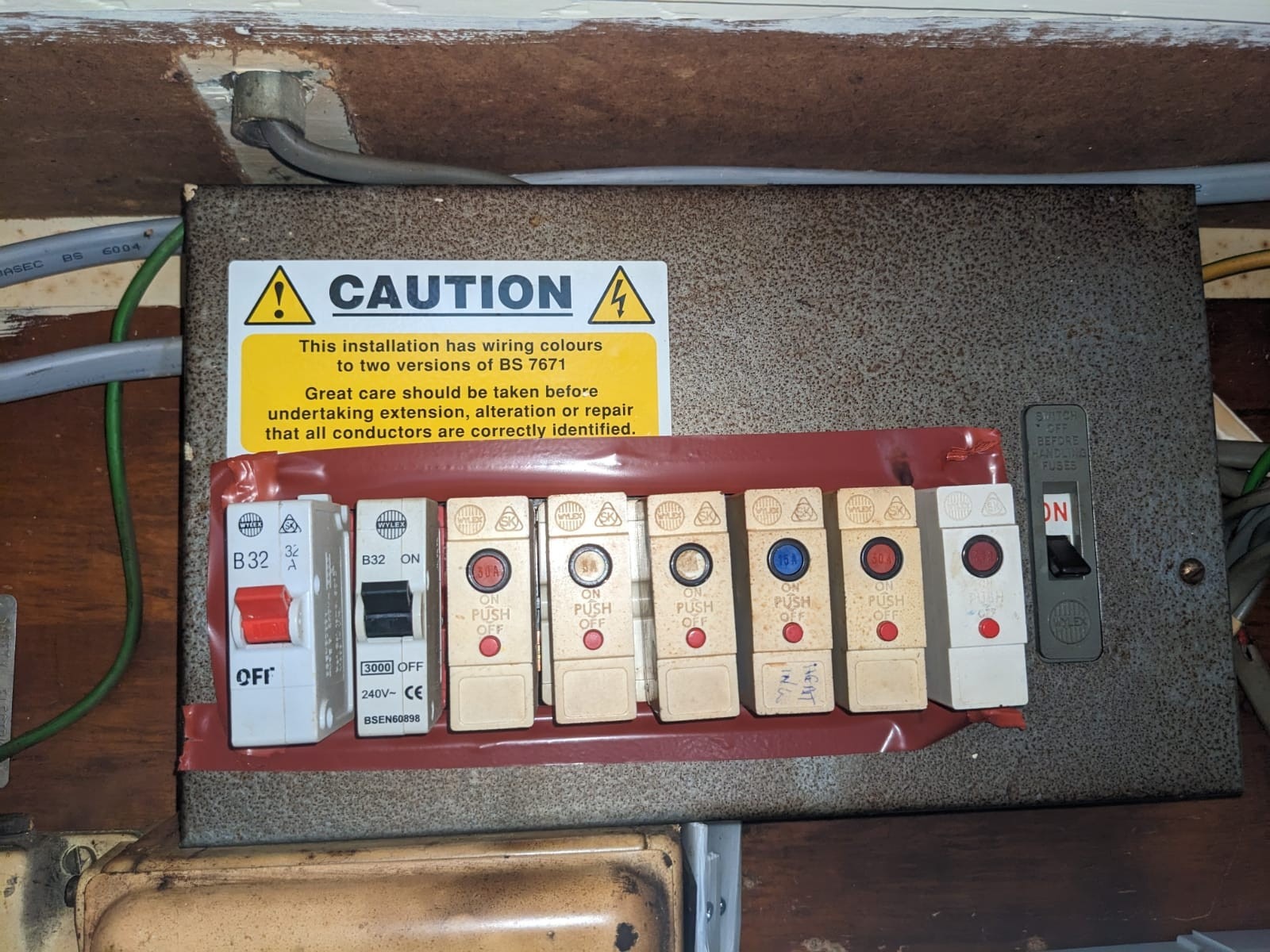
- A fuse board with rewireable fuses
- No RCD protection present
- Frequent tripping of circuits
- Burning smells or heat from the unit
- Cracked, loose, or poorly labelled fuse boards
- Recent home improvements or extensions
- Installing higher-demand appliances
If any of these apply, it’s worth having your fuse board assessed by a qualified electrician.
Why Old Fuse Boards Are a Risk
Older consumer units were installed at a time when homes had far fewer electrical appliances. Today’s properties typically run:
- Multiple kitchen appliances
- Home offices
- Outdoor lighting and power
- EV chargers or high-load equipment
Without modern protection, faults can go undetected until damage occurs. In some cases, insurers and mortgage providers may also raise concerns about outdated electrical installations.
Is a Fuse Board Upgrade a Legal Requirement?
For homeowners, a consumer unit upgrade isn’t always legally required — but it is strongly recommended where safety is compromised.
For landlords, however, an Electrical Installation Condition Report (EICR) may identify the consumer unit as unsatisfactory, requiring remedial work before a property can be let legally.
What Happens During a Consumer Unit Upgrade?
A professional fuse board upgrade typically includes:
- Safe isolation of the supply
- Removal of the old consumer unit
- Installation of a modern metal-clad consumer unit
- RCD / RCBO protection for circuits
- Full testing and certification
- Clear labelling and safety checks
The work is normally completed within a day, with minimal disruption.
The Benefits of Upgrading Your Consumer Unit
Upgrading your fuse board provides:
- Improved protection against electric shock
- Reduced fire risk
- Better fault detection
- Compliance with current standards
- Peace of mind for homeowners and landlords
It also future-proofs your home for additional electrical work.
Why Choose a Trusted Local Electrician?
A consumer unit upgrade is not a job to rush or cut corners on. Correct circuit identification, testing, and compliance are essential for safety.
At Wessex Electrical Services Ltd, we carry out consumer unit upgrades across Hampshire with a focus on safe workmanship, clear advice, and long-term reliability. We’ll explain your options honestly and ensure the installation is completed to a high standard.
Book a Fuse Board Assessment
If you’re unsure whether your consumer unit is safe or suitable, getting it checked is a smart first step.
📞 Call Wessex Electrical Services Ltd on 01420 384247
We’re happy to provide clear advice and a no-obligation quote.