We understand it.
YouTube makes everything look simple. Home improvement shows make rewires look like a weekend job.
And it’s natural to want to save money where you can.
Painting a room? Go for it.
Building flat-pack furniture? Absolutely.
But electrics are different.
And in many cases, getting a professional electrician involved isn’t just about convenience — it’s about safety, compliance and long-term protection.
The Hidden Risk with DIY Electrical Work
The biggest issue with DIY electrics is this:
Most electrical mistakes don’t fail immediately.
A socket might work.
A light might switch on.
But behind the scenes there could be:
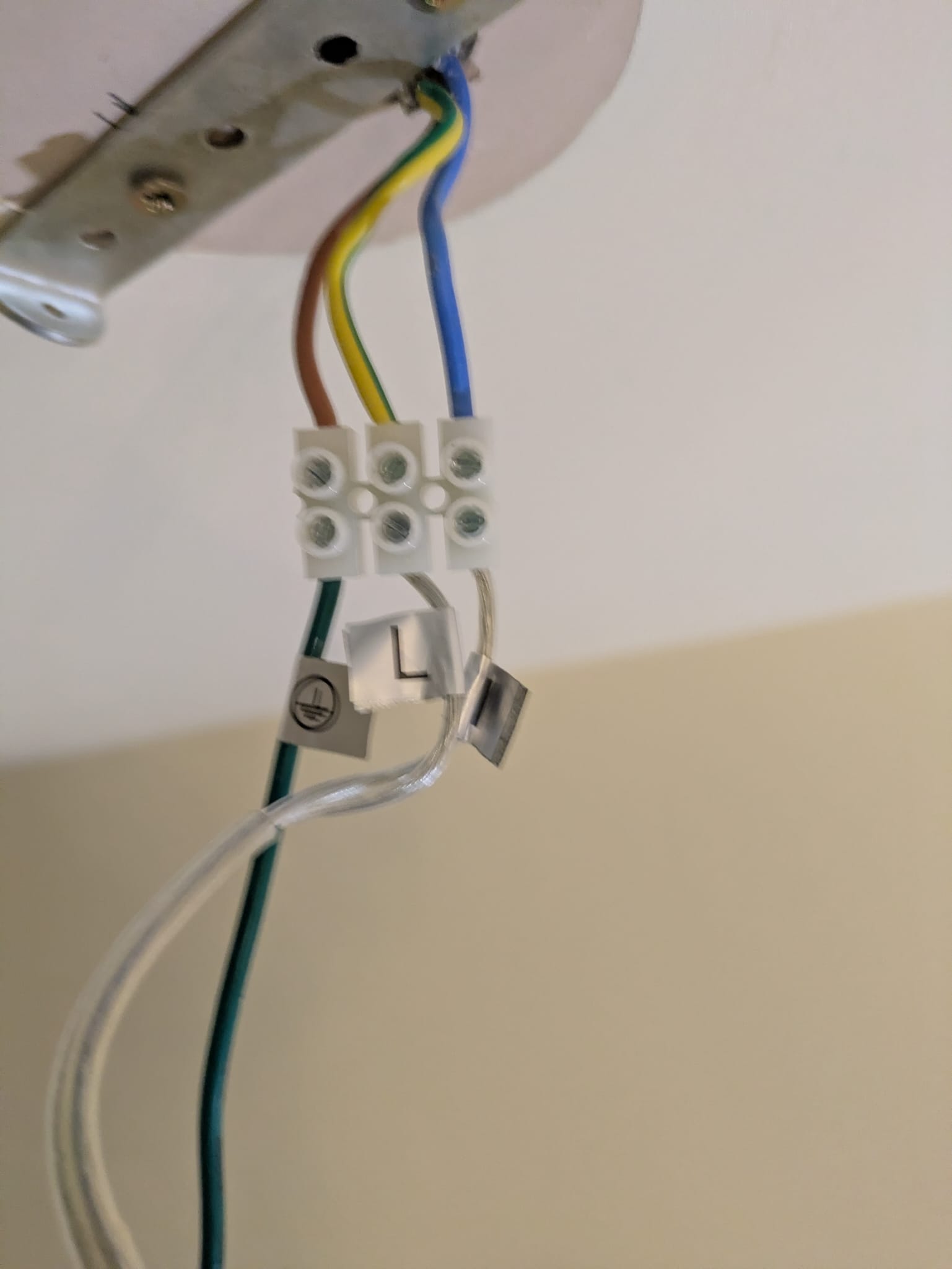
- Loose terminations slowly overheating
- Incorrect cable sizing
- Missing RCD protection
- Inadequate earthing
- Borrowed neutrals causing nuisance tripping
- Overloaded circuits
These problems often develop quietly over months or years.
By the time something goes wrong, it’s no longer a small issue.
Modern Homes Are More Demanding Than Ever
Domestic installations today are far more complex than they were 20–30 years ago.
Homes now commonly include:
- High-load kitchen appliances
- Induction hobs
- EV chargers
- Hot tubs
- Garden offices
- Smart lighting systems
- Electric heating elements
Electrical systems must now account for:
- Load calculations
- Fault current levels
- Correct protective device selection
- RCD / RCBO coordination
- Proper earthing arrangements
It’s not simply matching colours and tightening screws.
Building Regulations & Legal Considerations
Certain types of electrical work are notifiable under Part P of the Building Regulations in England and Wales.
This includes:
If not carried out by a registered electrician, work may need to be inspected by Building Control.
Failure to comply can create problems when:
- Selling your home
- Making an insurance claim
- Providing documentation to solicitors
Professional electricians can self-certify work and issue the appropriate certification.
That paperwork protects you.
The “It Was Working Fine” Myth
One of the most common phrases we hear when correcting DIY work is:
“It was working fine.”
Functioning does not automatically mean safe.
We regularly find:
- Incorrectly wired ring circuits
- Spurs taken from spurs
- Overloaded lighting circuits
- Downlights installed without fire protection
- Inadequate bonding
- Outdoor sockets without RCD protection
Electrical safety is about how the system behaves under fault conditions — not just when everything is normal.
Fire Risk Is Often Overlooked
Poor connections generate heat.
Heat builds over time.
And older installations combined with DIY alterations can increase the risk of electrical fires.
Especially when:
- Halogen downlights are incorrectly installed
- Cables are buried in insulation without being rated for it
- Connections are hidden in inaccessible spaces
- Consumer units are outdated
Electrical fires don’t announce themselves in advance.
Insurance & Liability
If a fire or electrical incident occurs and unqualified work is discovered, insurers may investigate.
Even if a claim isn’t refused outright, complications can arise.
Professional installation provides:
- Test results
- Certification
- Compliance evidence
- Traceable accountability
That’s peace of mind you can’t get from an online tutorial.
When DIY Might Be Acceptable
There are small electrical-related tasks homeowners can reasonably manage:
- Replacing a light bulb
- Testing smoke alarms
- Resetting a tripped RCD
Replacing a like-for-like accessory (if competent and power safely isolated)
But anything involving:
- New wiring
- Circuit changes
- Load increases
- Work in bathrooms
- Outdoor installations
- Consumer unit alterations
Should be properly assessed.
Why Getting a Professional Often Costs Less in the Long Run
DIY electrical jobs often start as “quick fixes.”
But we’re frequently called to:
- Trace faults caused by incorrect connections
- Rewire incorrectly installed circuits
- Replace damaged fittings
- Rectify non-compliant work before a property sale
Correcting work is usually more expensive than installing it properly the first time.
Professional Electrical Services in Hampshire
At Wessex Electrical Services Ltd, we provide safe, compliant electrical work across:
- Alton
- Basingstoke
- Fleet
- Hartley Wintney
- Hook
- Surrounding Hampshire areas
Every job we carry out includes:
- Proper assessment
- Safe isolation
- Testing and verification
- Certification where required
- Compliance with current UK standards
Because electrical work isn’t just about getting it working.
It’s about ensuring it remains safe for years to come.
Final Thought
There’s nothing wrong with being hands-on in your own home.
But when it comes to electrics, the risks often aren’t visible.
And that’s exactly why they matter.
If you’re considering electrical work and want honest advice before starting, we’re always happy to guide you in the right direction.