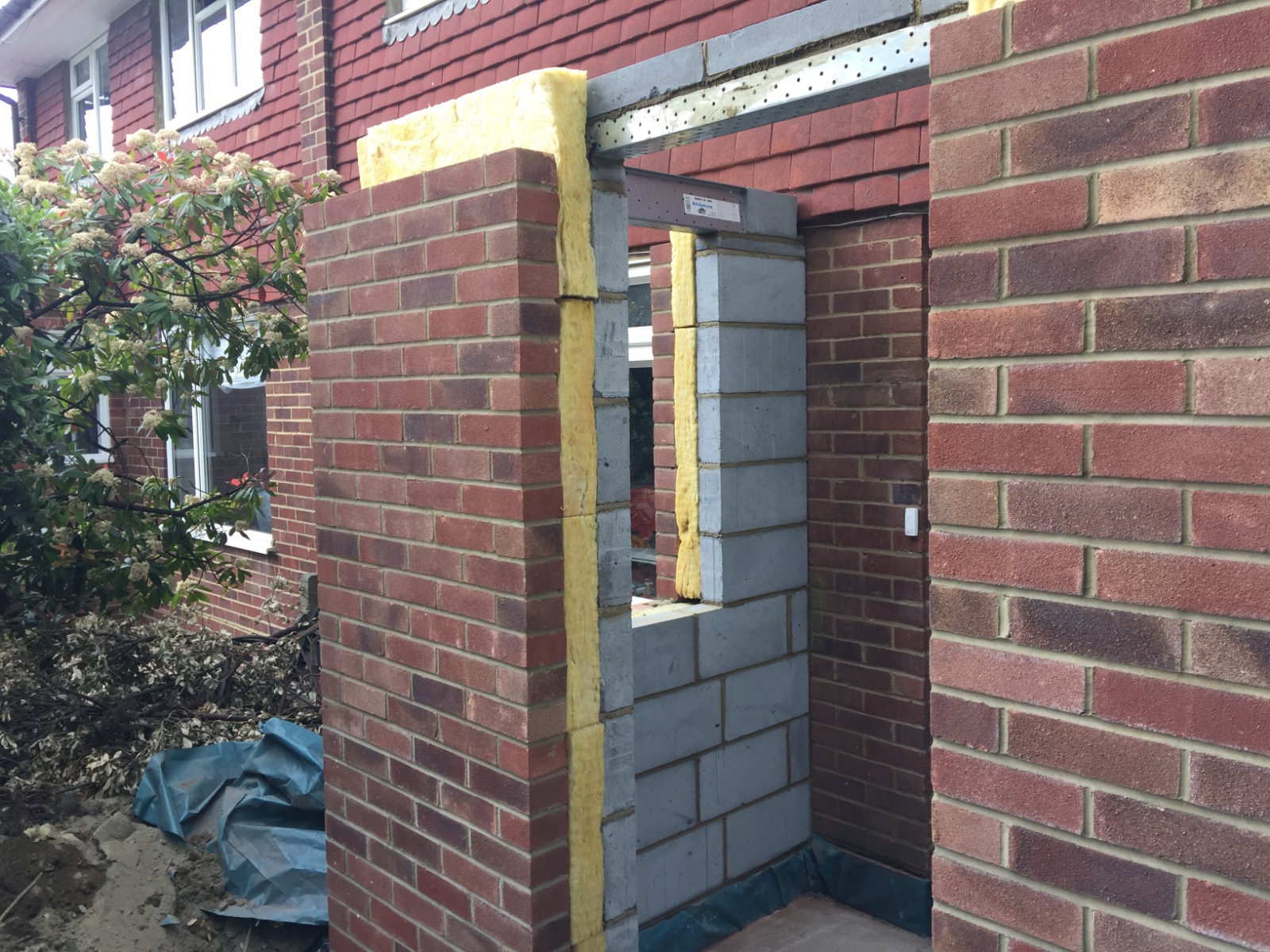
Home extensions have become increasingly popular across Alton, Basingstoke, Fleet and surrounding Hampshire villages as homeowners look to create more space without moving house. Whether it’s a larger kitchen, a new living area, or a garden room, extensions can significantly improve how a property functions and add long-term value.
However, while many homeowners focus on building work, layouts and finishes, the electrical planning of the extension is just as important. A well-designed electrical installation ensures the new space is safe, practical and capable of supporting modern appliances and technology.
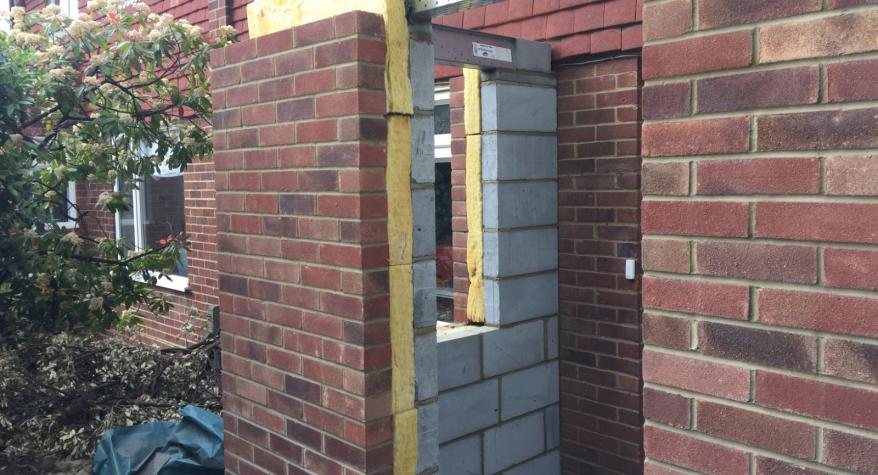
At Wessex Electrical Services Ltd, we regularly work with homeowners and builders during extension projects to make sure the electrical system is properly designed from the start.
Below are some of the key electrical considerations when planning a home extension.
Planning New Electrical Circuits
Most home extensions require new electrical circuits to supply lighting, sockets, and appliances. Simply extending existing circuits is not always the best or safest solution.
A qualified electrician will normally assess:
- The capacity of the current electrical installation
- The available space within the consumer unit
- The expected electrical demand of the extension
Large extensions, particularly those involving kitchens or utility rooms, often require multiple dedicated circuits to handle appliances safely.
Planning these circuits early prevents overloading the existing electrical system and ensures the installation complies with current electrical regulations.
Lighting Design for the New Space
Lighting plays a huge role in how an extension feels once it is completed. Many modern extensions feature large glass doors, roof lanterns, or skylights, which create bright spaces during the day.
However, good artificial lighting design is essential once the sun goes down.
Popular lighting options for extensions include:
- LED downlights for general lighting
- Pendant lighting above dining tables or islands
- Wall lighting for atmosphere
- Dimmable lighting to control brightness
- LED strip lighting for features or shelving
Layering different types of lighting can transform the space and make it adaptable for everyday living, entertaining, or relaxing.
Because wiring often needs to be hidden within ceilings or walls, it is important that lighting layouts are planned before plastering and decorating takes place.
Outdoor Power and Garden Lighting
Many extensions connect directly to the garden through bi-fold doors or sliding patio doors, which makes outdoor electrics increasingly important.
Homeowners often choose to include:
- Outdoor sockets for garden equipment
- Power supplies for garden offices or sheds
- Garden lighting for patios and pathways
- Security lighting for added safety
Outdoor electrical installations must be designed correctly to withstand weather conditions and to ensure appropriate protection is provided.
Installing these features during the extension project is far easier than retrofitting them later.
Consumer Unit Capacity
A key part of electrical planning is checking whether the consumer unit (fuse board) can accommodate the additional circuits required by the extension.
Modern consumer units provide protection using circuit breakers and RCD devices which help disconnect the supply quickly if a fault occurs.
If the existing consumer unit is older or already full, it may be necessary to upgrade it or install a larger unit to support the new circuits safely.
Upgrading the consumer unit during an extension project can also improve the overall safety of the property.
Socket Placement and Practical Use
Another important part of extension planning is deciding where electrical sockets and switches should be located.
Many homeowners underestimate how many sockets are required, particularly in larger open-plan spaces where multiple appliances may be used.
It is usually a good idea to consider:
- Sockets for televisions or media equipment
- Charging points for phones and tablets
- Sockets near seating areas for convenience
- Hidden sockets for appliances or lighting features
A well thought-out layout makes the finished space far more practical and avoids the need for extension leads.
Compliance with Electrical Regulations
Electrical work carried out as part of an extension must comply with Part P of the Building Regulations, which covers electrical safety in domestic properties.
Using a registered electrician ensures that the work is installed, tested and certified correctly. This also provides important documentation for the homeowner and can be valuable when selling the property in the future.
Working with a Qualified Electrician
Planning electrical work early in the design stage of an extension helps ensure everything runs smoothly once construction begins. It allows cable routes, lighting layouts and appliance requirements to be considered before walls and ceilings are finished.
At Wessex Electrical Services Ltd, we provide electrical installation services for homeowners across Alton, Four Marks, Medstead, Basingstoke, Fleet and surrounding Hampshire areas.
Whether you are planning a home extension, upgrading your consumer unit, or installing new lighting, we are always happy to provide professional advice and assistance.
📞 Call Wessex Electrical Services Ltd on 01420 384247 to discuss your project or arrange a quotation.